

In creating joyful learning spaces and working on student well-being, some key concepts inform the way we respond to certain situations. Recently we got reminded of one such concept that we feel is necessary for Educators to understand and practice.
In our relationship with children, there should be a space for expressing and accepting all kinds of emotions. As Educators, showing all emotions in healthy and appropriate ways is a key skill that determines how much we can influence children and our learning spaces.
There are many educators who express their anger and disappointment by verbally or emotionally abusing a child, making them feel lesser than others, with the hope that this will motivate the child to improve. On the other hand, some educators choose to ignore incidents that provoke negative emotions, holding onto the belief that only love and affection can influence a child to change. The truth lies somewhere in between these extremes.

Children need adults around them who can emote appropriately. This means being genuinely happy and supportive when things are going well, but also being able to express disappointment in a healthy manner.
It involves getting stern when necessary, drawing clear boundaries to encourage context-appropriate behavior, and balancing both acknowledgment of the child’s good actions and holding them accountable for their mistakes.
Ultimately, children benefit most from adults who model balanced emotional responses, teaching them how to navigate both positive and negative situations with maturity and understanding.
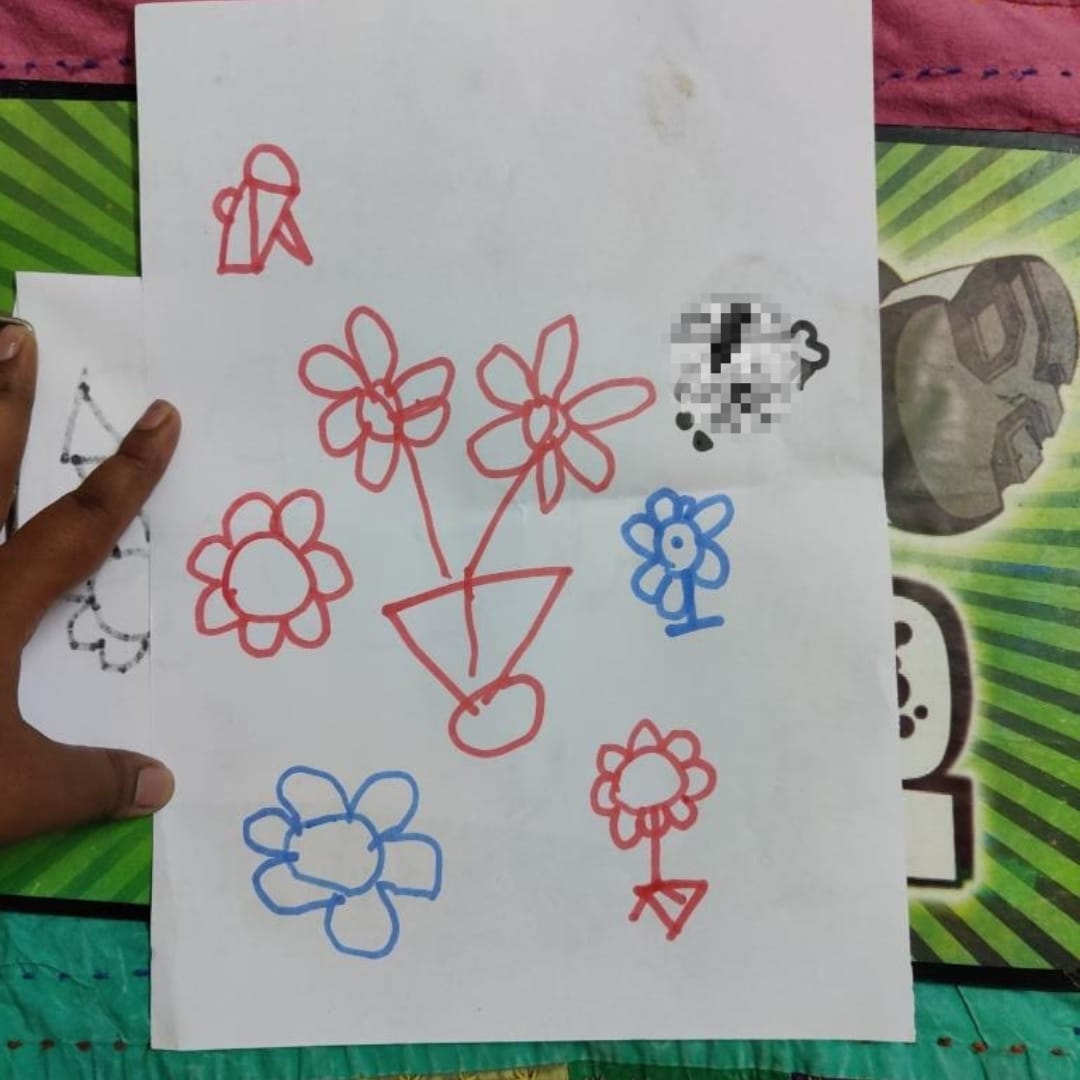
During an activity at one of our locations, a young boy drew a penis on a paper where his entire team was to draw something, influenced by older boys watching from outside.

He believed this would earn their respect, embodying a misguided idea of masculinity. His actions were gender-insensitive, disrespectful to our learning space, and disrupted the session. The older boys laughed, his peers giggled, and the girls looked confused.
We immediately packed up to leave, but not before expressing our disappointment. We explained that drawing obscenities in our class was wrong, even though we, as a sex-positive organization, acknowledged that such behavior might be more acceptable among friends.
Some parents, surprised by our reaction (of leaving before the session got over), asked what happened. Instead of blaming the child, we simply said, “Nothing, he’s forgotten where he is.”
Once the parents left, we asked the boys if they approved of their friend’s behavior. They quickly realized the impact of his actions, understanding that our leaving mid-session was unprecedented.
The children urged the boy to apologize, and we overheard them say, “Just say sorry, and they will understand,” revealing the trust they had in us.
We told the child not to return to our sessions if he felt so little respect for our space. However, we agreed internally to allow him back if he showed genuine remorse.
In the following sessions, we noticed him waiting outside, looking sad and hesitant to confront us. After a few instances, we asked the other children to tell him he could rejoin if he apologized to everyone, making it clear that he had hurt the sanctity of the space, not our egos. The child eventually approached us, acknowledged his mistake, and apologized to both us and his peers. When we asked the group if he should be allowed back, they unanimously agreed.

From that moment, we treated our relationship with him as a fresh start, never bringing up the incident again. Now, the child is thriving — leading action songs, engaging appropriately with peers, and showing responsibility and leadership in our program.
When we show genuine care and express strong emotions appropriately, children learn from us and apply these lessons in their relationships with peers, parents, and family members. This helps them develop social skills across various contexts and lays the foundation for socio-emotional learning.
The incident above illustrates how expressing disappointment and anger — without resorting to humiliation or abuse — can signal care. Ignoring such behavior, on the other hand, can signal apathy.
Love and affection alone aren’t enough to create a safe and joyful learning space; there must be room for emotions like disappointment, sadness, and anger. Acknowledging that both children and facilitators are affected by what happens in our learning spaces is crucial.
In a country where sexual abuse is rising, incorporating sex positivity into our learning spaces is vital.
Teenage boys will naturally talk about sex and sexuality. Shutting them down only reinforces the taboo. It is important to teach them that certain behaviors might be acceptable among friends but inappropriate in a class setting. Recognizing that a child’s action may simply be misplaced, rather than labeling them as “bad” is also essential.