A mixed-gender sport like Ultimate Frisbee fosters mutual respect, breaking stereotypes, and promoting shared leadership, helping to dismantle norms that perpetuate gender-based violence.
For our 16 days of activism campaign this year, we will talk about what we know best — 16 points on how feminist principles-abiding sports coaching can foster friendships between genders and create a safer world for women and girls.
1. Equal Access to Play
A mixed-gender sport like Ultimate Frisbee inherently promotes gender equality by requiring men and women to play on the same team, with alternating gender ratios each point. This structure ensures that success depends on collaboration, mutual respect, and valuing every teammate’s contribution, regardless of gender. As a result, both girls and boys are equally involved in practice, games, and team activities, fostering inclusivity and breaking down stereotypes. This unique format highlights the power of shared effort and equal opportunities in sports to drive meaningful social change.

2. Fair Distribution of Leadership Roles
Leadership roles in our mixed-gender sports teams are distributed based on individual skills, potential, and growth needs, not gender. While tournaments require both male and female captains as well as Spirit captains, our regular practices take a more flexible approach. Leadership roles are assigned to foster personal growth — whether it’s offering a safe space for someone to explore their leadership potential, helping a motivated player channel their drive, or supporting someone in managing their emotions. This inclusive and intentional approach ensures that every player, regardless of gender, has the opportunity to lead and grow.
An important outcome of this practice is the powerful visual impact of seeing a female captain confidently call plays and lead offensive or defensive strategies. This not only empowers our women athletes to claim their rightful space but also encourages our men athletes to actively support and create space for their female teammates. By normalizing female leadership on and off the field, we take a bold step toward redefining traditional gender roles and fostering an environment of mutual respect and equality.

3. Balanced Participation
In our games and practices, every player, regardless of gender, is given equal opportunities to develop their skills and contribute to the team. Rather than enforcing identical benchmarks, our head coach tailors expectations to help each individual reach their full potential, fostering personal growth and confidence. Playtime during matches is allocated based on the team’s needs and the unique contributions each player brings to the game. This approach not only levels the playing field but also celebrates achievements equally — whether it’s our women athletes delivering 360-degree pulls with precision or excelling in traditionally male-dominated positions like deep defense. This commitment to balance and recognition ensures that all players are valued for their abilities and impact on the team.
Having a feminist role model that practices equity becomes a strong example of how young men understand the concept of equality and also how it manifests in every day life.

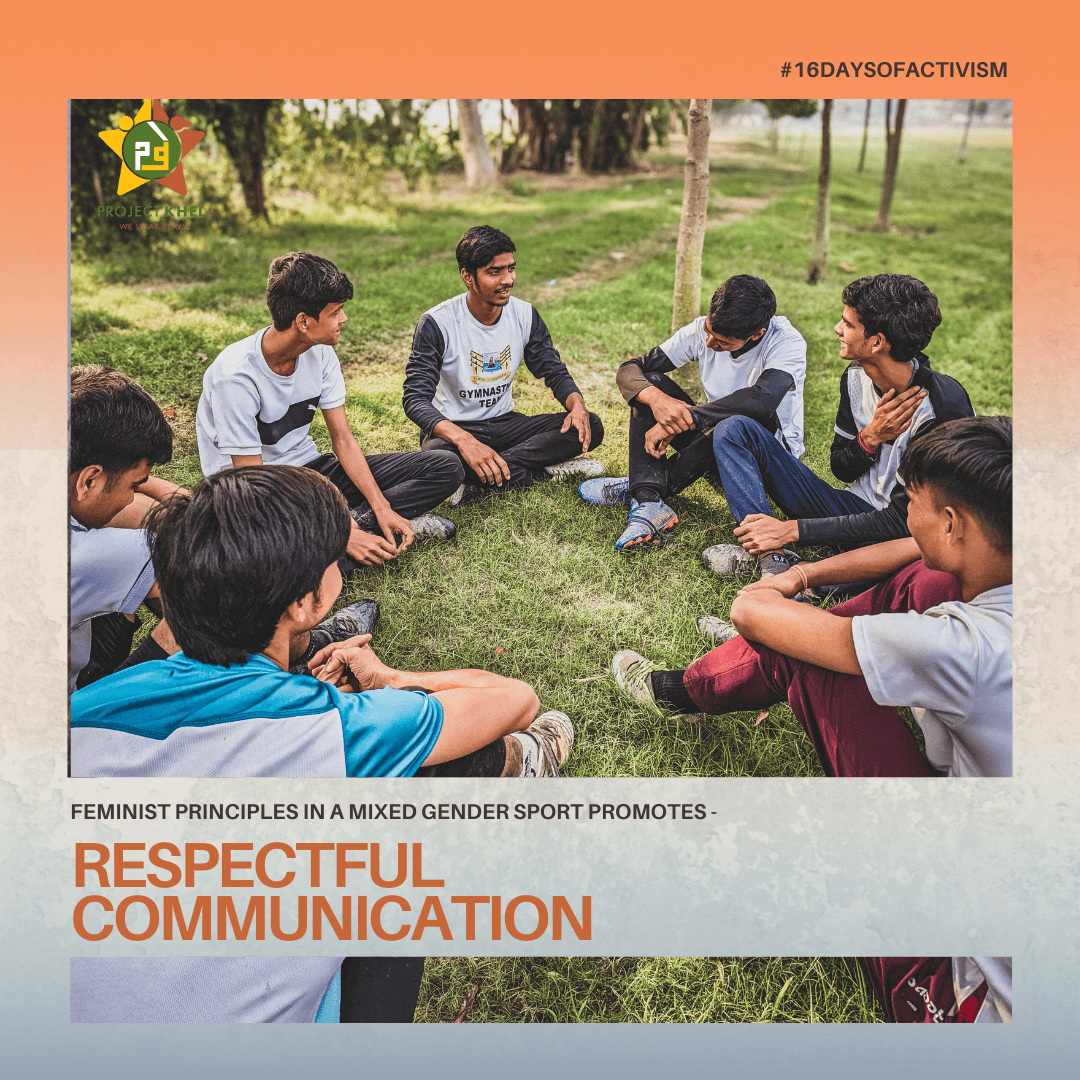
4. Respectful Communication
One of the most impactful aspects of playing a mixed-gender sport is the culture of respectful and open communication it fosters among teammates, free from stereotypes or assumptions based on gender. Over time, we’ve built an environment where young women athletes feel comfortable excusing themselves from intense workouts, even if they are led by male teammates or confidently asking for a sanitary napkin from the team’s first-aid kit, regardless of who is in charge. Similarly, our male athletes have found greater acceptance and support in expressing vulnerability and sharing their struggles, including showing their emotional side. Breaking stigmas around menstruation for women and emotional expression for men has helped create a team dynamic rooted in mutual respect and understanding. These small but powerful interactions pave the way for healthier co-existence and deeper connections both on and off the field.

5. Encouragement of Teamwork
Our commitment to fostering teamwork extends beyond Ultimate Frisbee to a variety of other games, from relays and Kho Kho to nostalgic childhood favorites like pakdam pakdai. While Frisbee’s mixed-gender format requires collaboration, participation in these additional activities is entirely voluntary. Yet, the bond formed through shared training naturally unites players to enjoy these moments together as a cohesive group. A memorable instance is the day our team built a multi-layered human pyramid — an activity that required trust, respect for personal boundaries, and healthy physical proximity. These experiences nurture camaraderie, break down barriers, and create a culture where individuals support one another, paving the way for deeper understanding and mutual respect between genders.
It is quite common now for our group of 30 young athletes to celebrate their birthdays together, join forces to help someone move from one house to the other, find a solution for an issue bothering a peer, working together as family members in family functions and such.

6. Recognition of Efforts
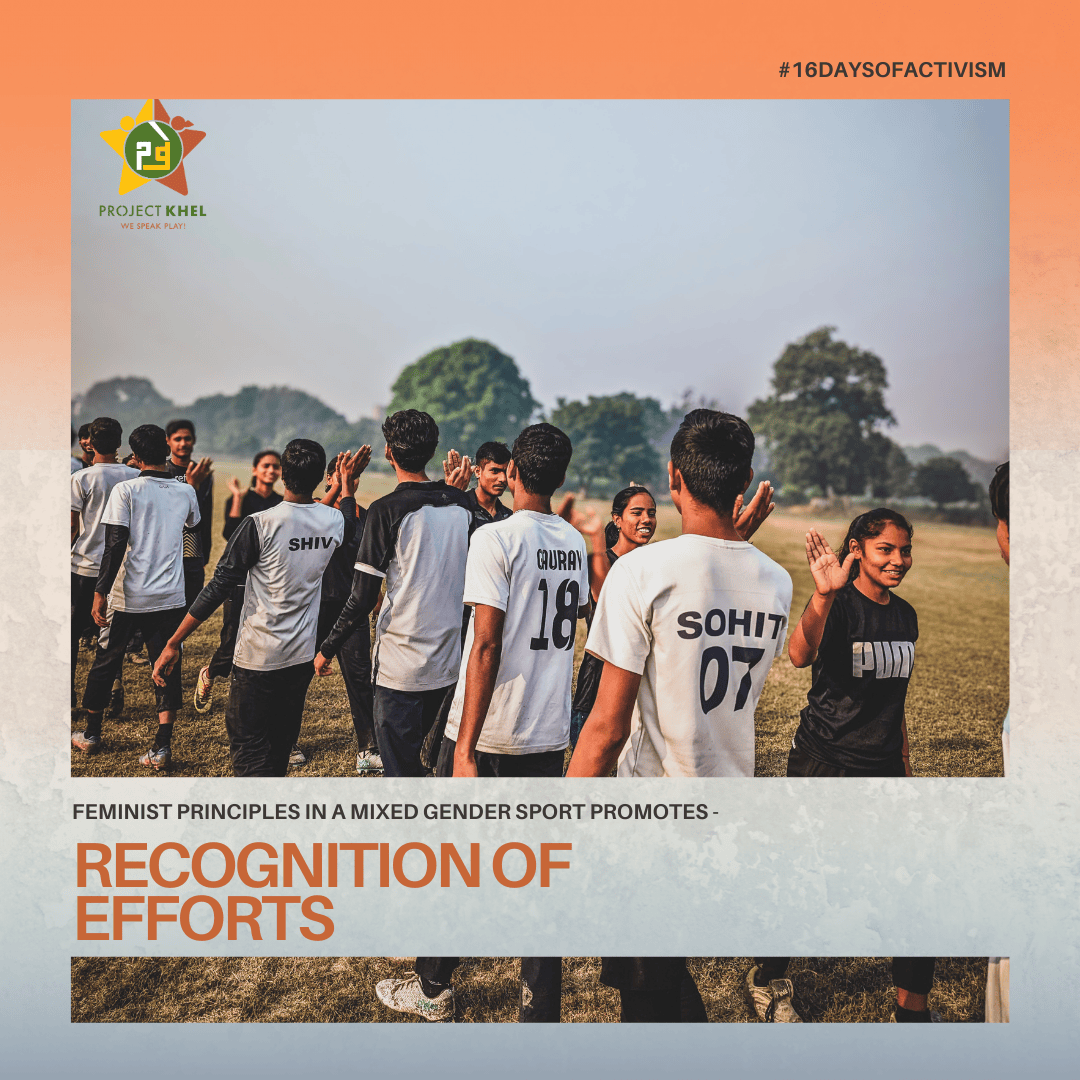
Acknowledging the achievements and hard work of all players, regardless of gender, is a cornerstone of fostering gender equality in our team. By celebrating contributions equally — whether it’s a game-changing play, consistent effort in practice, or leadership during tough moments — we ensure that everyone feels seen and valued. This practice breaks down gender stereotypes by highlighting individual abilities rather than societal expectations. It reinforces the idea that success comes from skill, dedication, and teamwork, creating an inclusive environment where both men and women can thrive and inspire one another.
7. Elimination of Bias
In our team, the focus is always on ability, not gender, ensuring that rules, drills, and strategies are designed to be inclusive and fair to all players. A great example of this is shown in the image of our senior athlete, M, executing the perfect plank, alongside junior athlete A, who is still refining his technique. While A strives to reach the same level, the emphasis is never on comparing him to M in terms of gender. Instead, each athlete is measured against their own progress and potential. M is held to the high standards she sets for herself, and A to his own, with no space for humiliation or comparison. This approach reinforces that growth is individual, and fosters an environment where both men and women are recognized for their personal efforts, free from bias or gender-based expectations.
The visual impact of this is powerful — it challenges the stereotype that women are naturally weaker and shows that some girls train to surpass expectations, while some boys still need to put in more effort. This not only boosts young women’s self-esteem and inspires them, but also helps men understand that certain abilities are determined by training, not gender.

8. Respect for Personal Space
In many schools, even co-ed ones, and at home, adults often segregate girls and boys, limiting their opportunities to share spaces and experiences. However, when a sport brings all genders together in a safe, inclusive environment, it allows young people to explore friendships and set personal boundaries. This journey can be challenging, and as adults in the space, we may observe moments where individuals struggle to establish boundaries. However, we trust their agency by offering guidance on how to draw boundaries, say no, and navigate relationships with respect. By trusting them to make their own decisions, we empower young people to practice healthy decision-making in cross-gender interactions. This approach helps them develop sensitivity and awareness, equipping them to create safe and comfortable spaces for everyone in the real world.

9. Fostering Friendships
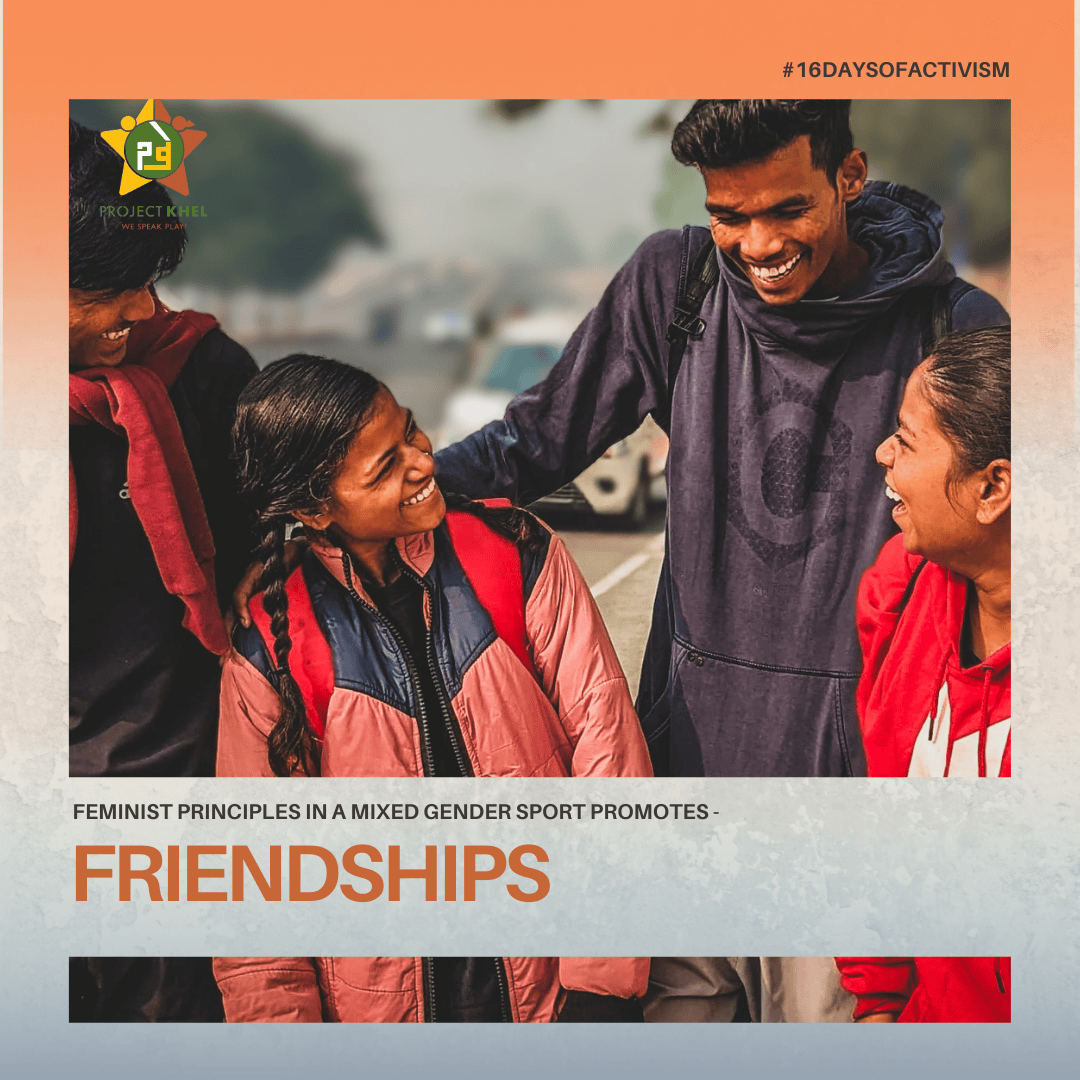
In a mixed-gender sports setting, boys and girls are encouraged to work closely together in drills, practice sessions, and games, which naturally fosters collaboration and mutual respect. By interacting regularly and relying on each other’s strengths, players build trust and camaraderie. These shared experiences allow friendships to develop organically, as teammates from different genders solve problems together, support each other, and celebrate successes. This inclusive environment helps break down stereotypes and promotes the understanding that successful teams are built on cooperation, not gender divisions. As players engage and communicate, they form lasting friendships that extend beyond the sport, learning valuable skills like empathy and teamwork that contribute to healthy, supportive cross-gender relationships both on and off the field.
Also, cross gender friendships humanize the opposite gender in one’s eyes, especially considering the stigma against cross gender friendships that our society promotes.
10. Shared Facilities
Ensuring equal access to training facilities, equipment, and resources is a critical step toward promoting gender equality and reducing the potential for gender-based violence. By providing both male and female athletes with the same opportunities and support, we challenge traditional power dynamics and foster a sense of mutual respect. Shared spaces designed with inclusivity in mind encourage positive interactions and collaboration, breaking down barriers and stereotypes. This equitable approach reduces the likelihood of discrimination or exclusion, creating an environment where all athletes feel safe, valued, and empowered to reach their potential.

11. Equal Expectations
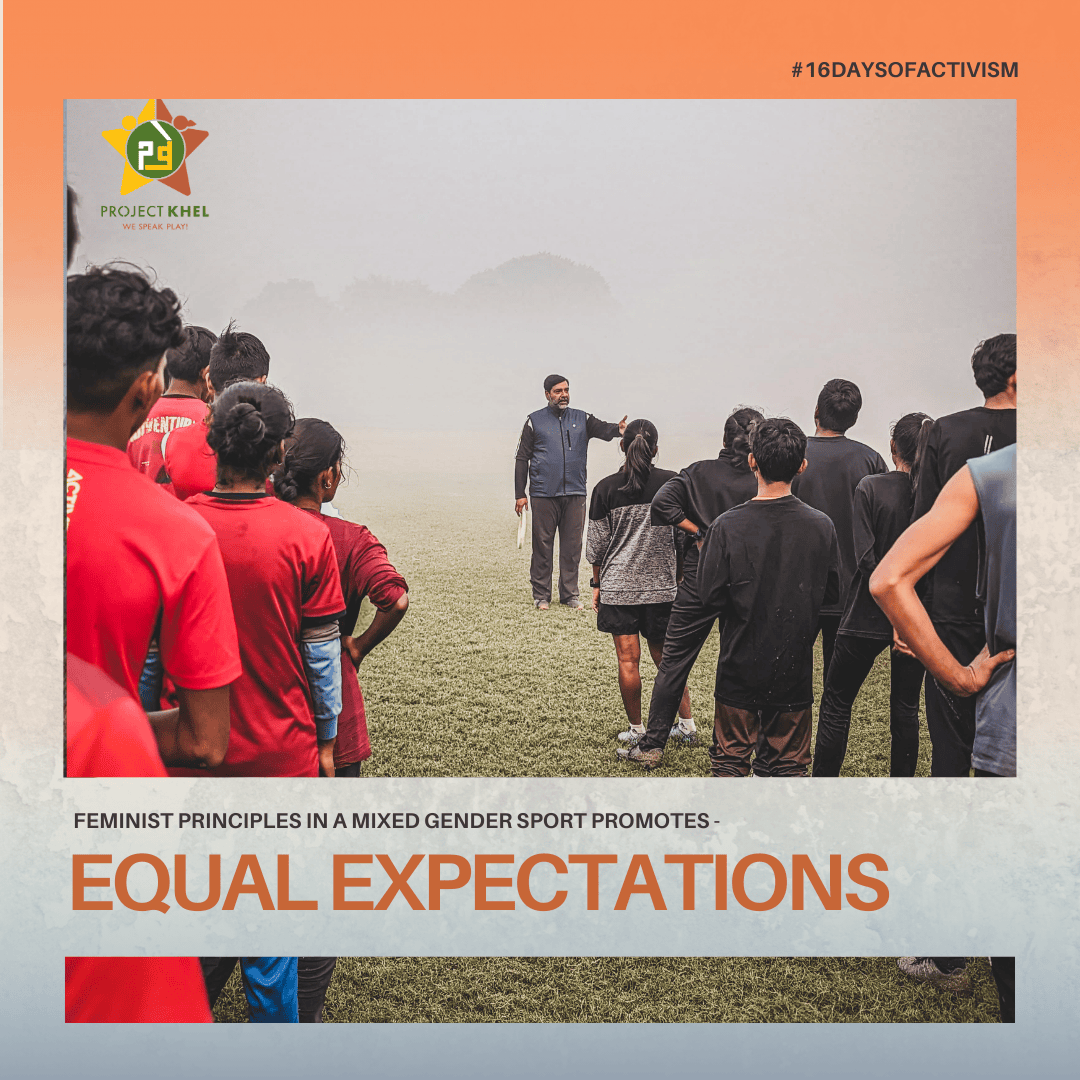
Coaches and teammates maintain equal expectations for effort, discipline, and commitment from all players, understanding that this doesn’t mean everyone will be at 100% all the time. Instead, it means that as a team, we strive to be at 100% together. If one player is feeling low or facing challenges, they are given the space and support they need, while another player steps in to help cover for their energy. The team’s success relies on collective strength, so when the roles reverse and someone else is feeling down, the team adapts by ensuring that the person who previously helped out now brings the energy to cover for their teammate. Equal expectation fosters a sense of shared responsibility and support, ensuring that every player feels both accountable and supported, no matter the circumstances. It’s not about always being perfect, but about lifting each other up and achieving success as a united team.
Practicing this attitude helps young people forge meaningful relationships with realistic expectations, helping young people to ask for their space and also show up for their friend or a partner who might need more from them.
12. Diverse Pairing in Practice
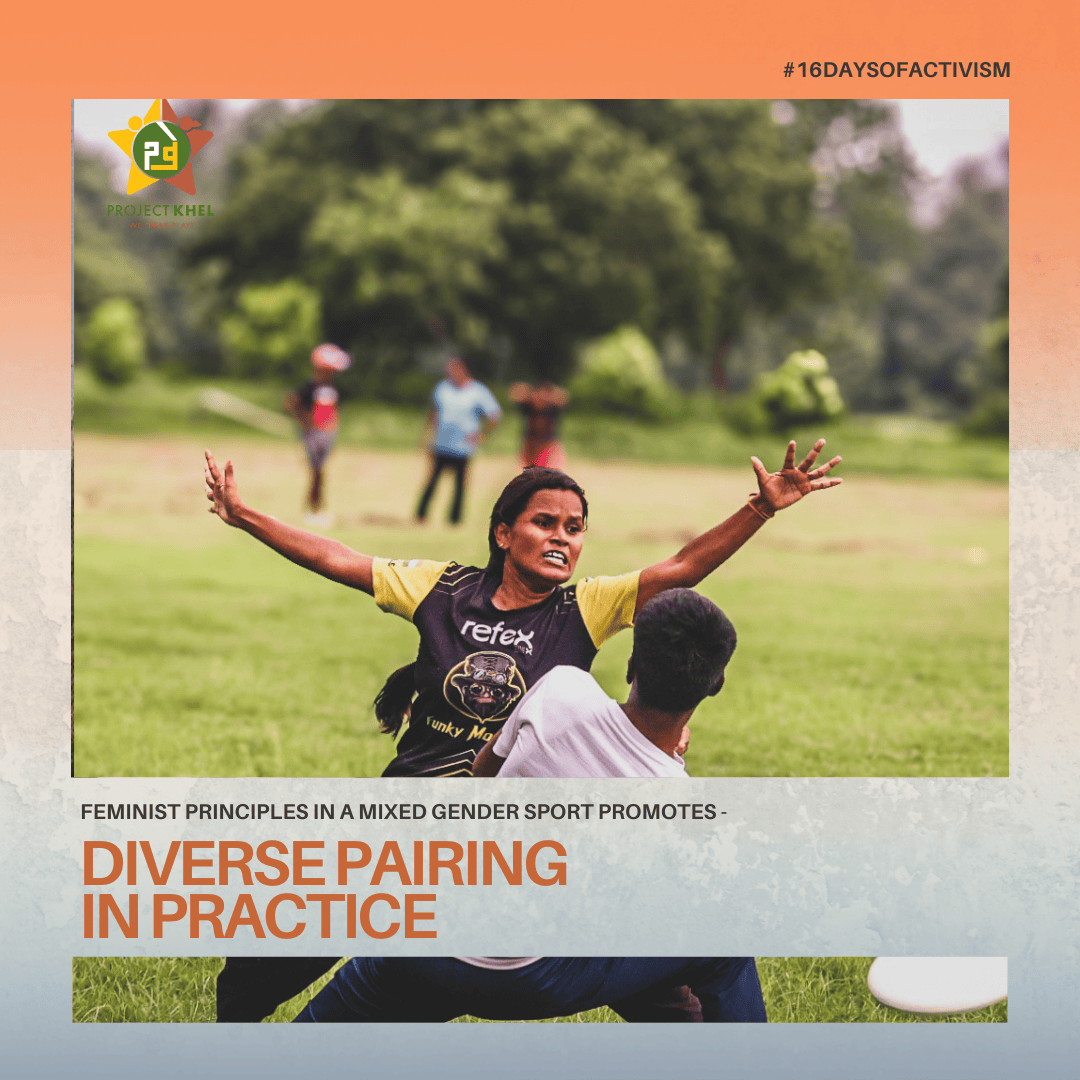
In our mixed-gender sports environment, we encourage diverse pairings during drills, scrimmages, and exercises to foster trust, understanding, and collaboration between all players. Whether it’s a defensive tactic or any other strategy, the goal is to create an inclusive atmosphere where both genders work together seamlessly. For example, in Ultimate Frisbee, the term “mark your man” can create a visual conflict, as it assumes gender roles that don’t fit the mixed-gender format. To address this, we guide our players to use neutral language like “person marking,” helping to ensure respect for all team members. While it can take time to adjust, our female athletes often take the lead in correcting this language, which builds their confidence and reinforces the idea that the language we use shapes the way we view and interact with others. This small change in terminology plays a larger role in creating a space where everyone, regardless of gender, feels acknowledged and respected, and reinforces the notion that the world is a place for coexistence, not dominance. It encourages our players to be mindful of language as a powerful tool in fostering mutual respect and equality.
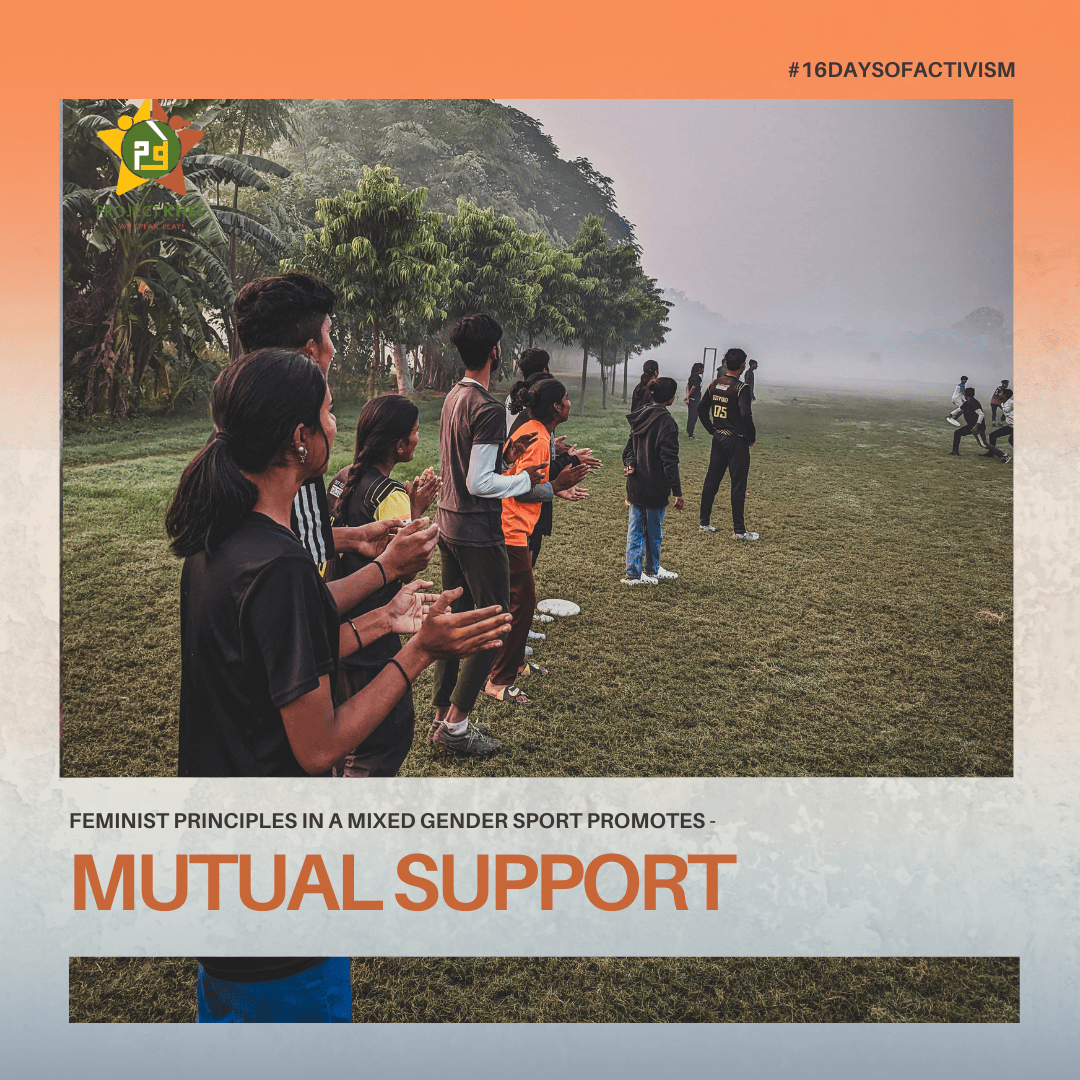
13. Mutual Support
In our mixed-gender sports environment, boys and girls consistently cheer for and support each other during games and practices, fostering a deep sense of unity and collaboration. They learn to stand up for one another, especially when someone is feeling down or struggling. As a team, they develop the understanding that success is a collective effort, and the larger goal is to show up for each other when it matters most. While personal dynamics and occasional disagreements may arise, the overall focus is on supporting the team and lifting each other up. This culture of mutual support helps normalize the understanding that everyone has challenging days, and instead of labeling someone based on a bad moment, teammates take on the responsibility of boosting their spirits. In doing so, they not only help turn the game around but also create an environment of gender harmony, where both male and female players feel equally valued and empowered to contribute. This mutual respect and care build stronger bonds, breaking down gender barriers and promoting a culture where all teammates — regardless of gender — are equally responsible for each other’s success.
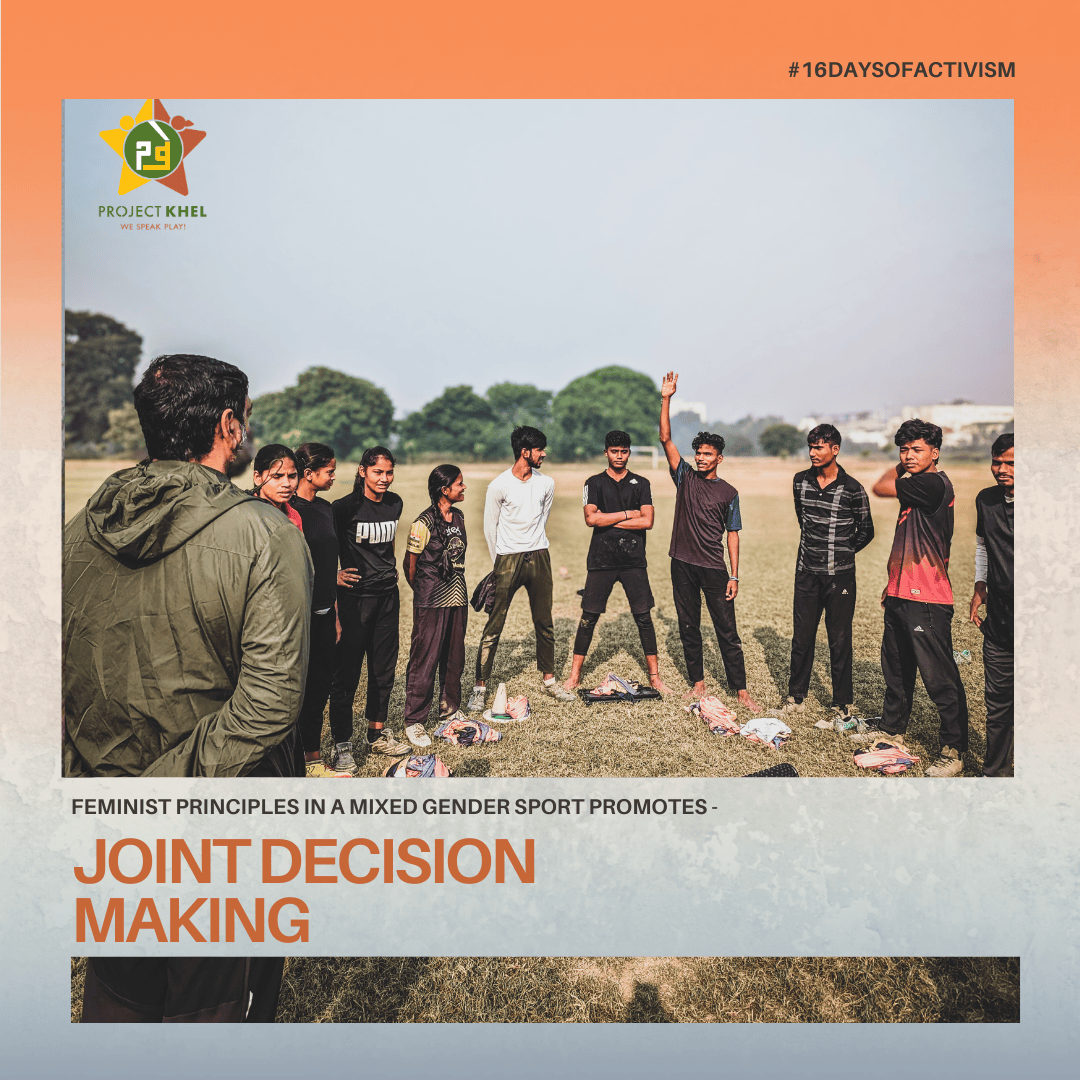
14. Joint Decision-Making
In our mixed-gender sports team, decisions about strategies and game plans are made collaboratively, with input from all players, regardless of gender. This inclusive approach ensures that every voice is heard and valued, fostering a strong sense of ownership and equality within the team. Beyond gameplay, decisions such as selecting players for tournaments, inviting teams to events we host, implementing fines or consequences, and addressing disciplinary actions are all openly discussed with the team. This practice creates a space where players take responsibility, learn to express their opinions, and engage in constructive dialogue. Such moments of ownership and shared decision-making are empowering, helping individuals build confidence in their ability to contribute meaningfully in group settings.
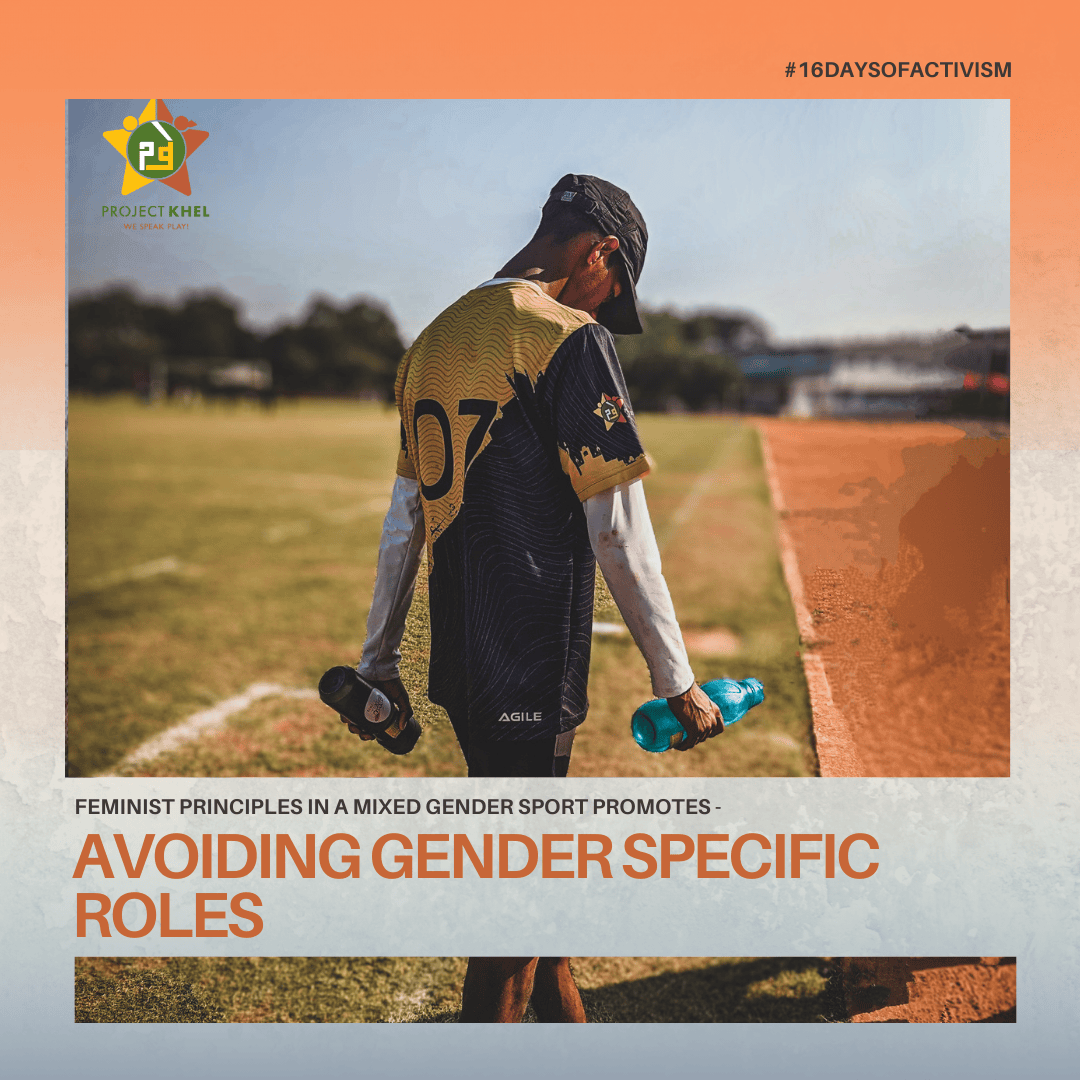
15. Avoiding Gender-Specific Roles
In our mixed-gender sports team, players are not confined to specific roles or tasks based on gender; instead, positions and responsibilities are assigned based on skills, interest, and team needs. This approach allows both boys and girls to step beyond traditional gender expectations. One of our most significant achievements has been expanding roles for both genders: while girls are increasingly taking up leadership positions, boys have embraced a supportive attitude, such as filling water bottles for their teammates. Previously, this task was assumed to be a “female responsibility,” with male athletes merely requesting water without contributing. Over time, this norm was challenged, creating a shift in mindset.
This change not only empowers female players to take up space and assert their presence but also enables male players to understand the importance of service, collaboration, and shared responsibility. By breaking down such deeply ingrained gender-specific habits, the team fosters an environment of mutual respect and equity, demonstrating that every role — whether on or off the field — is valuable and open to all.
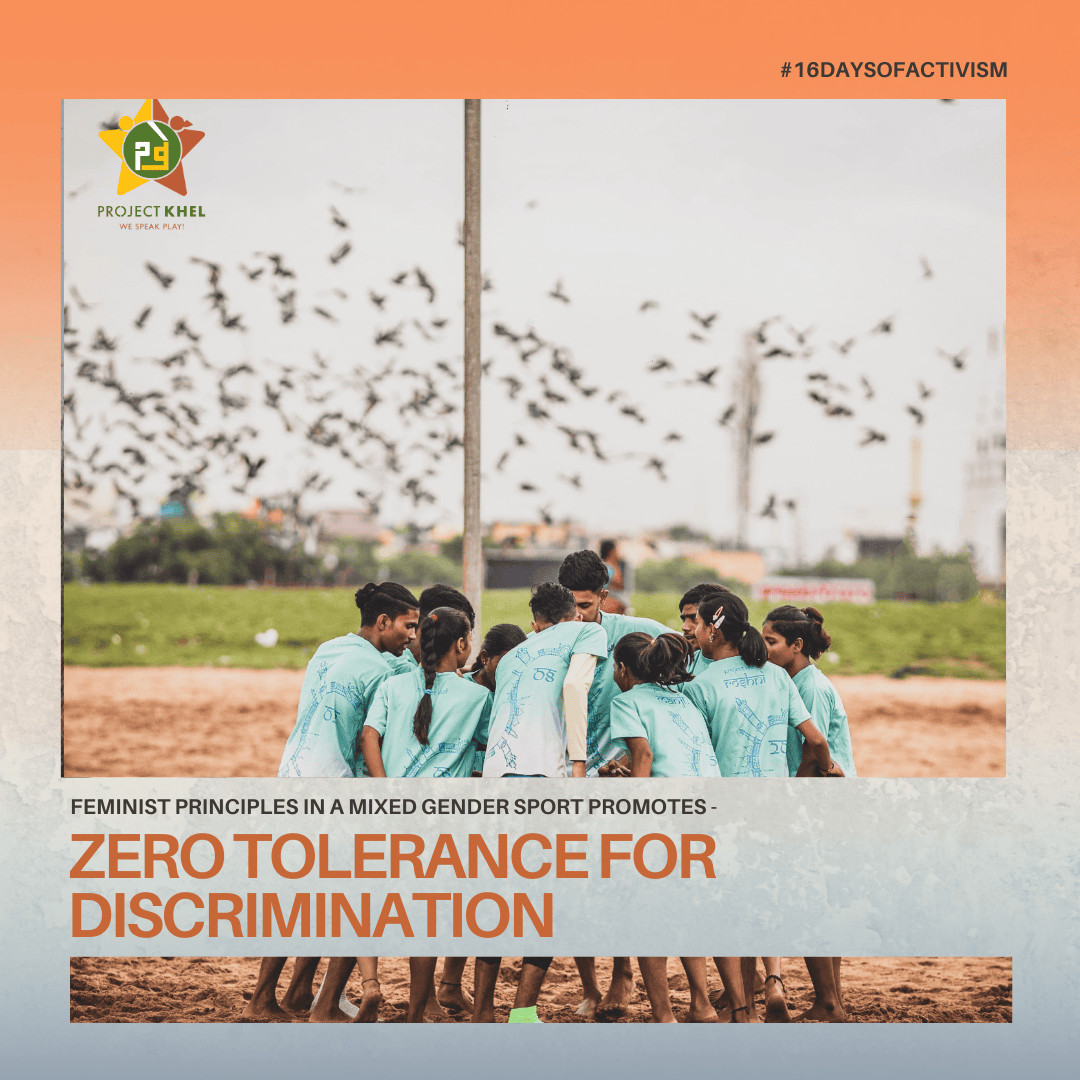
16. Zero Tolerance for Discrimination
Our team upholds a strict zero-tolerance policy for any form of gender-based discrimination, teasing, or disrespect. Beyond gender, our players come from diverse social backgrounds, including varied castes, financial situations, single-parent households, dysfunctional families, and individuals with medical challenges. While such sensitive information is handled with confidentiality, if certain details are common knowledge within the team, it is explicitly understood that this information must never be misused to humiliate or belittle anyone. Instead, differences are acknowledged with respect, and efforts are made to create an inclusive environment where everyone feels valued.
We consciously avoid being blind to differences, recognizing that understanding and embracing diversity enriches the team dynamic. This culture of respect ensures that no one feels lesser than others and fosters a safe, supportive space where everyone can thrive equally, free from judgment or bias. A stronger sense of self leads to a feeling of security, which massively reduces the possibility of perpetrating violence on another person.