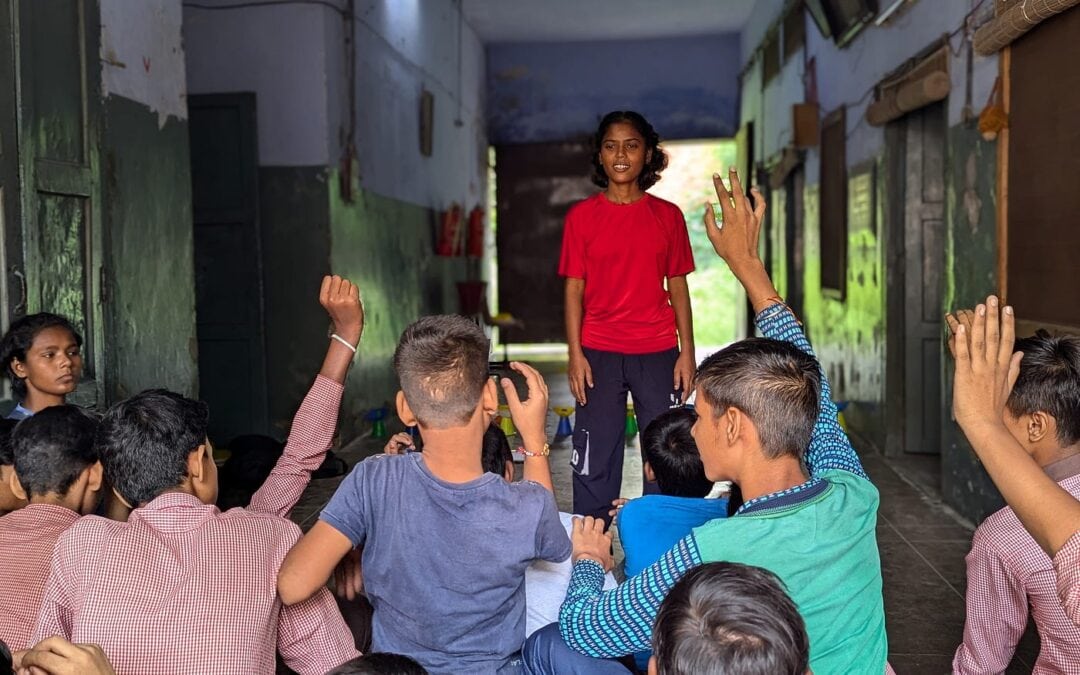
At Project KHEL, we quickly realized that many of our children had gone through school without ever being called by their real names. At home, they were often addressed by nicknames — sometimes affectionate, but often based on physical traits, emotions at birth, or selected from a limited pool of caste and class accepted norms.
For many of our children, almost every time we address them by their given names, the common reaction is surprise: “You know my name!”
With strengthening the sense of self being an important domain of our work, every Project KHEL PLAYducator makes it a priority to know and use the children’s names while also encouraging them to do the same with each other. This practice might feel insignificant, but calling someone by their name shows that we recognize them as a person. This is an important first step in fostering mutual respect.
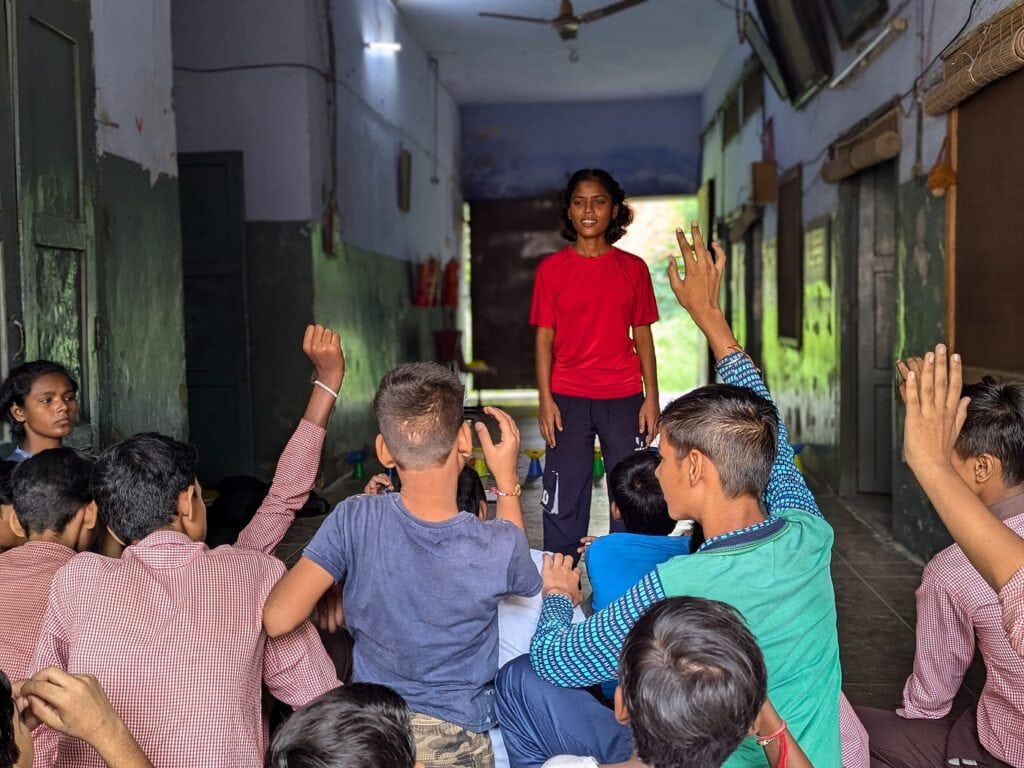
The Case at Hand — Name Calling as a Normalized Everyday Action
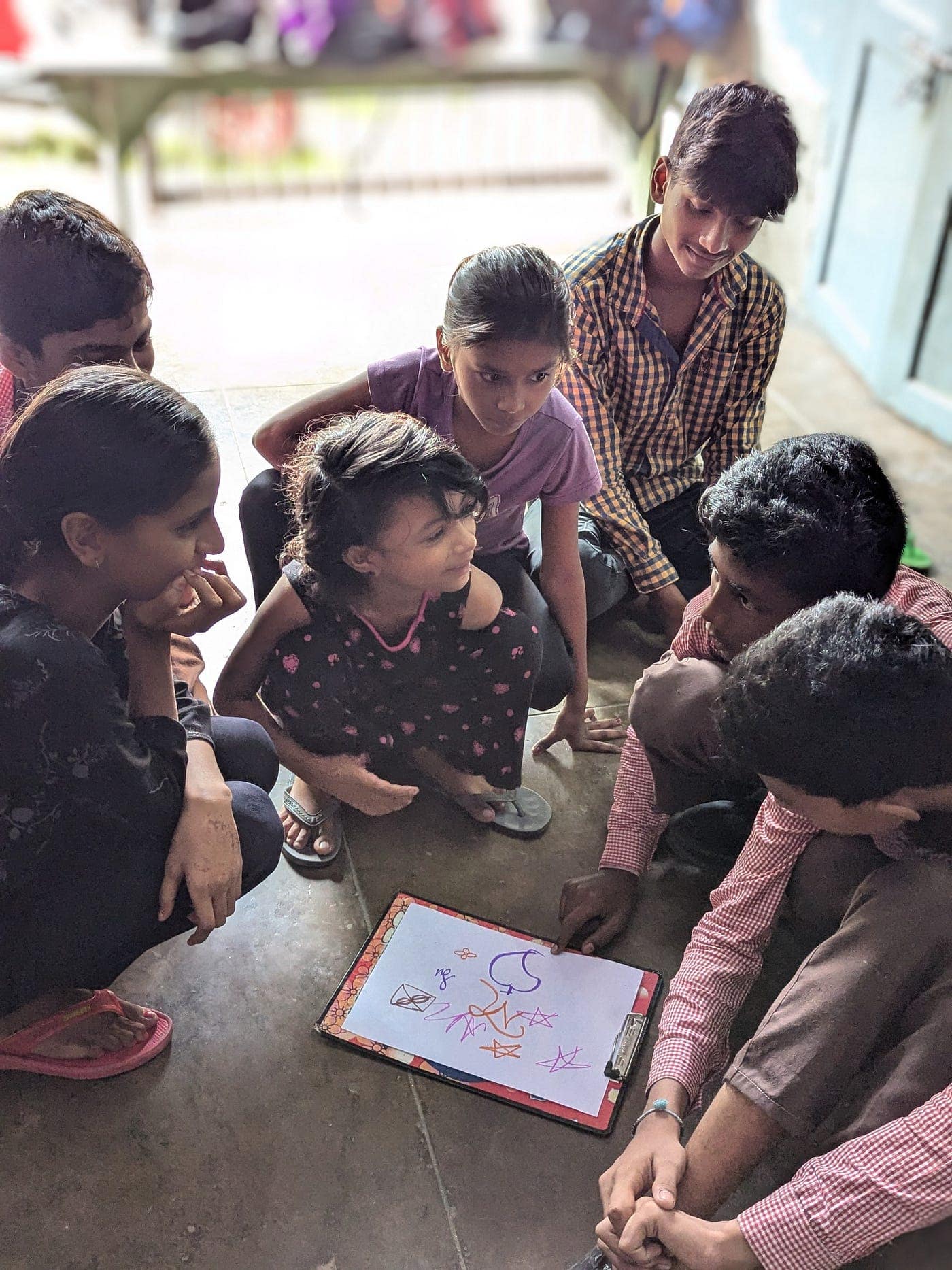
When we first started working at a government-aided school, in Lucknow, we knew we had a challenge ahead of us. Most of the teachers seemed least interested in the children, and the students were used to a lack of structure. Some came to school in uniform, others in regular clothes, and what stood out most was how they interacted with each other. Name-calling with casteist slurs, ethnic insults, and body-shaming were just part of their daily communication.
Focus on the rules of the space
The easiest tool in our pack is the ‘rules of the space’. We introduce ourselves to our children as teachers who use play to teach our subject. So, while the playground is our classroom, it comes with its own set of rules like — only one person can speak at a time, if you have got your opportunity then pass it on to the next one who hasn’t, and such. One of the added rules here is — address everyone by their official names.
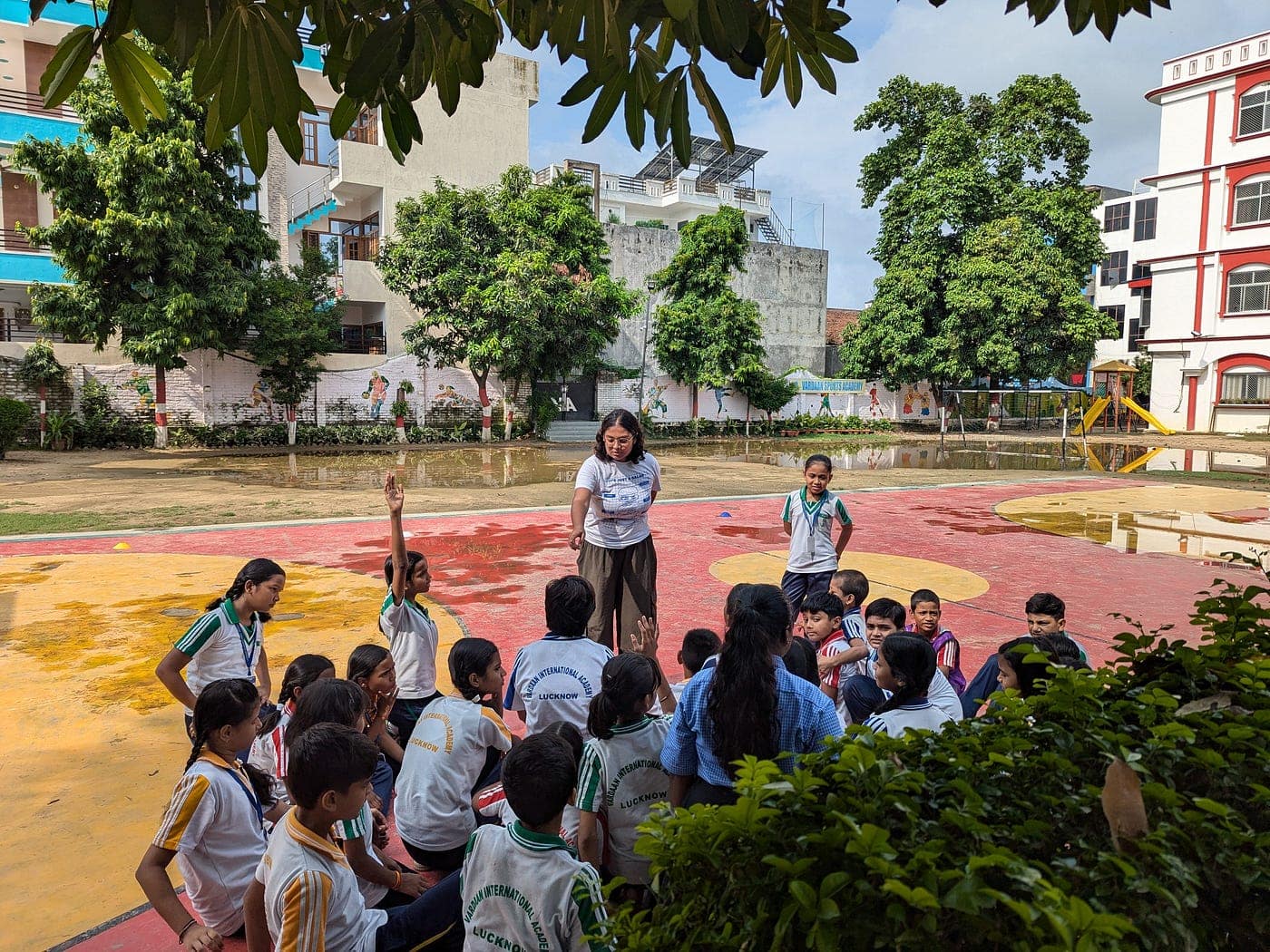
Explaining contexts
In our learning space, children often let their guard down and start using nicknames. We use this as a chance to discuss the importance of context. In the classroom, we should address each other more formally, using only given names. We also highlight that while certain behaviors or nicknames may be fine among close friends, they may not be appropriate in public or comfortable for everyone. This conversation keeps the focus on using given names without debating which nicknames are acceptable.
Calling Them In, Not Out
We operate from a socio-cultural understanding of our children. We acknowledge what they see and hear as they grow up. In most parts of North India, it is common to hear people call each other by their caste or a generic name like Chotu or even something based on their physical features. Therefore, it is imperative that our children pick on the same too. So, our efforts to get children to respectfully address each other by their names is in fact a fight against years of socialization.
We needed our children to understand why the words they used for each other mattered. This could not have done by calling them out. So, when they called each other by hurtful slurs or insults, we did not punish them on the spot. Instead, we called them in for a conversation. Rather than scolding them for using ethnic slurs we took a more reflective approach.
Our questions are quite simple and often a combination of the pool below –
- How did you reach this name as the perfect one for this child?
- Why this name?
- How did you reach this name as the perfect one for this child?
- Is this funny? Why?
- Who is this funny for?
- What is this child’s actual name?
- Does this child want to be addressed this way?
- Is there any other connotation for this name?
- Can I address you with the same name in our class?
- Will you like it?
These questions bring in a good pause. No one feels attacked or humiliated because we bring these in with a lot of love and warmth. This creates the space for our children to share how they felt if they were in the receiving end and helps the others see how they might not have intended to hurt anyone, but these names they call each other is hurtful, not just to the child in question, but to their families and entire lineage on some occasions.
Tracking Progress
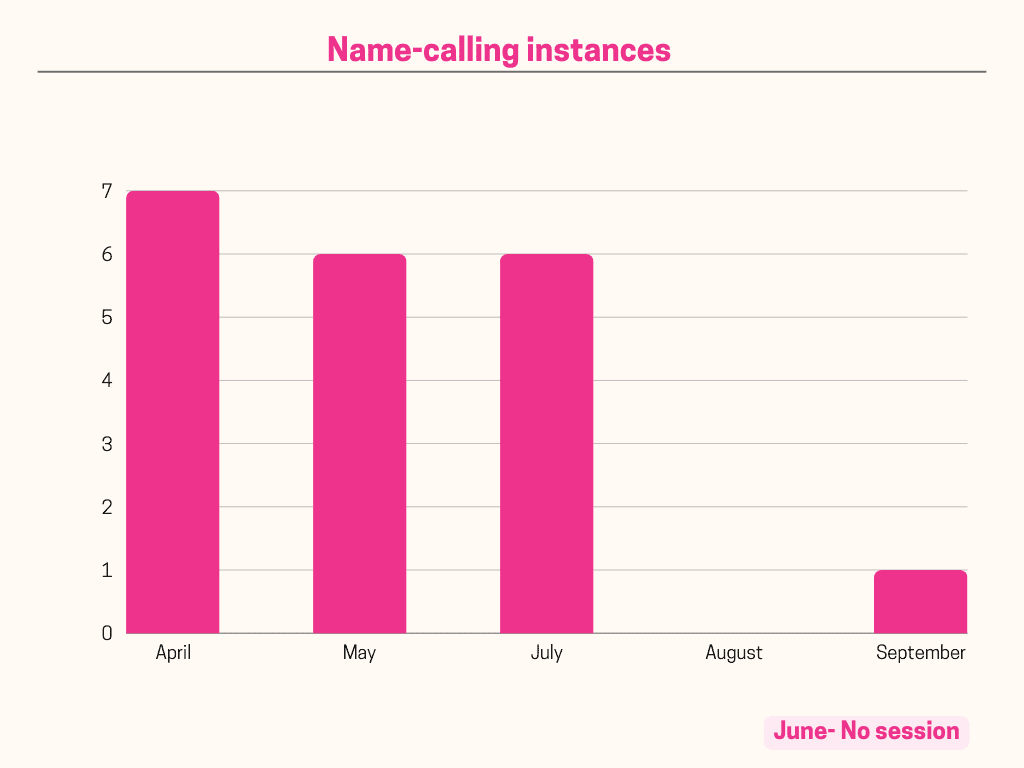
At all our centers, we’ve followed a similar approach and seen positive results. In this particular school, we monitored hurtful language over the course of 32 sessions. Initially, there were 19 instances of name-calling, with terms like “Ching Chong,” “Mullah,” and “Moti” being common. However, as we focused on teaching identity, empathy, and mutual respect, things began to improve.
From April to July, the number of name-calling incidents dropped to an average of 7 per month. By August, we recorded zero incidents, and in September, just one, where the child recognized and corrected their behavior without any intervention. This marked a significant shift, resulting in more respectful interactions, better focus, and increased engagement in the sessions.
https://medium.com/@ProjectKHEL
Follow us on Instagram to see more of our work!