
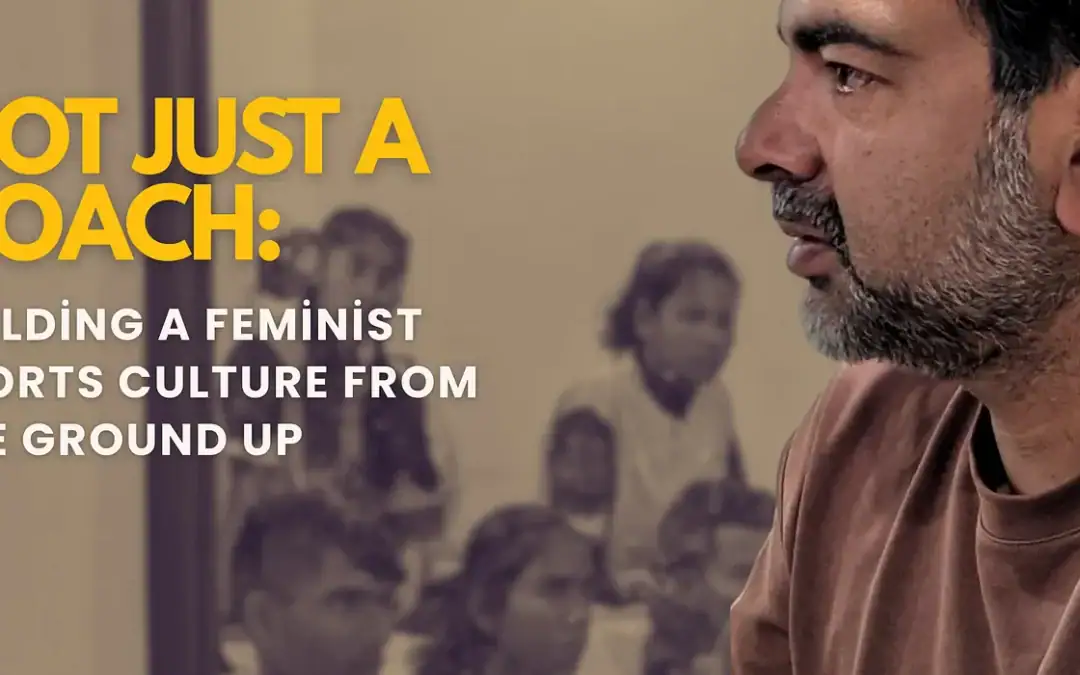
What does it mean to be a feminist coach?
Sport is a deeply gendered activity. It not only welcomes boys and men more enthusiastically than girls and women but often serves as a space that celebrates skills and values marked as ‘masculine.’ At Project KHEL, we have spent over six years attempting to redefine this space — crafting a mixed-gender, feminist sporting environment where girls feel welcome and boys learn to build healthier relationships with other genders.
Leading our Ultimate Frisbee program is our Head Coach, Akshai. His role goes far beyond drills and tournaments. He is not just building athletes; he is cultivating a gender-sensitive sporting community grounded in feminist values. Here are five key strategies that have shaped our approach and could serve as a guide for anyone interested in feminist sports leadership.
- Creating a Democratic Sporting Space
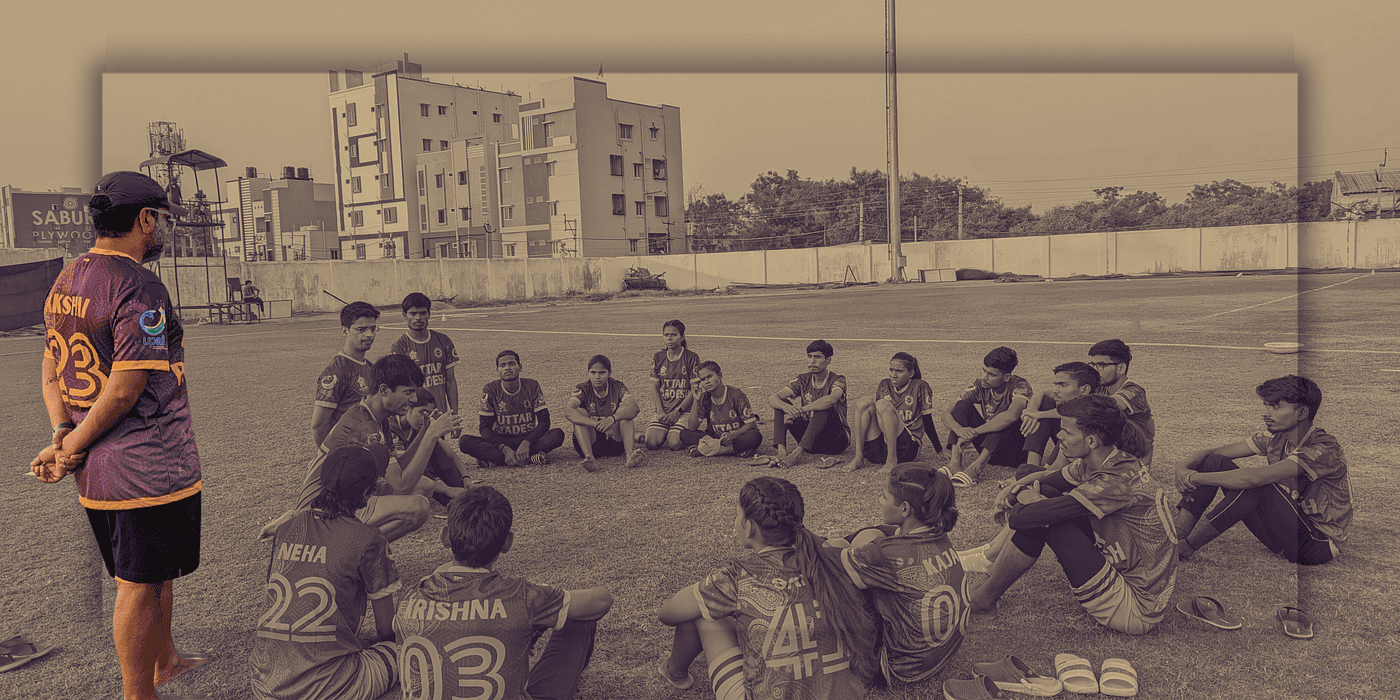
When many of our female athletes first joined, they were timid, hesitant, and often faced dismissive behavior from male peers. In such situations, a coach’s instinct might be to intervene protectively. But Coach Akshai chose a different path. Rather than shielding them, he empowered them. He put the onus on the girls to take the first step in resolving conflicts or addressing unfair treatment.
He would often say, “Tum khud se handle karo… agar yahan nahin bol paoge boys se toh boyfriend aur pati se kaise bol paoge? Ghar mein shaadi ke liye kaise mana kar paoge; ya apne boyfriend se shaadi karne ki baat kaise rakh paoge?”
Over time, girls in our team began standing up for themselves. They learned to navigate difficult conversations, confront casual sexism, and assert their place in the team. Today, our senior female athletes are the culture bearers of the space, guiding new members and often commanding more respect than their male counterparts.
2. Turning Game Moments into Teachable Moments
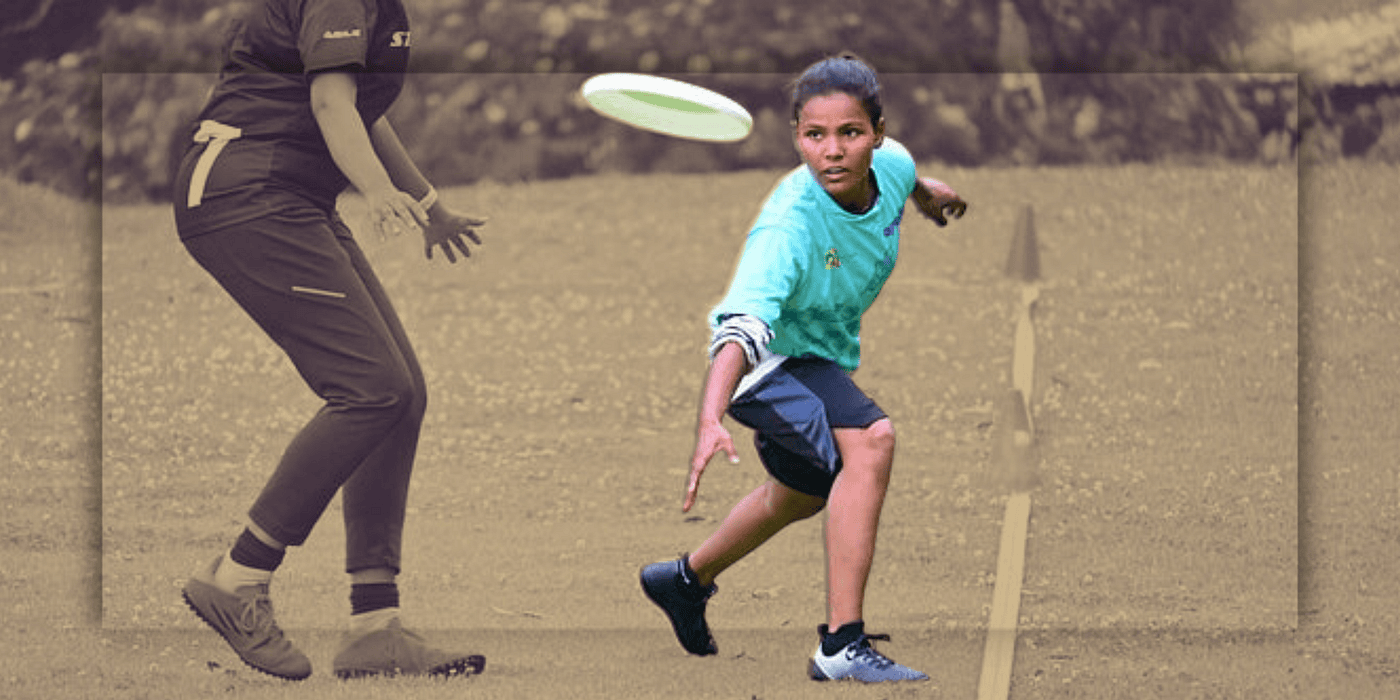
In Ultimate Frisbee, a ‘power position’ allows a player to throw long and dictate the play. While our girls had the technical skills, they often hesitated in actual games, opting for short, safe passes instead of taking bold throws.
Coach Akshai recognized this as more than a tactical issue; it was a matter of confidence and space ownership. So he intervened, sometimes stopping the game to call it out. He encouraged risk-taking, demanded forward throws, and refused to let hesitation go unchecked.
With every long pass that a female athlete attempts, she gets more comfortable taking space. Not just on the field, but in her life. The sport has been used in a way to address the mundane and everyday experiences of marginalized genders — to take chances, to make mistakes, and to learn how to trust themselves.
3. Coaching with Context: Understanding Athlete Realities
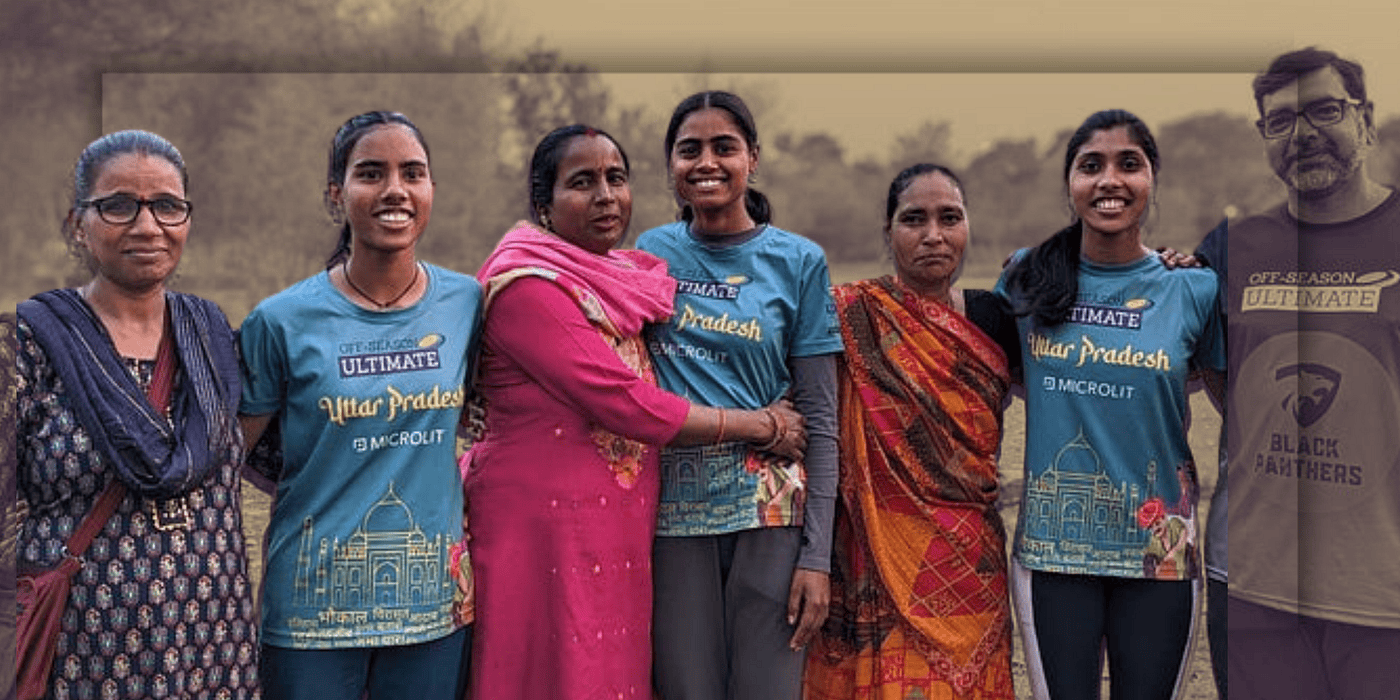
Our athletes lead complex lives. Many work as domestic help or in informal jobs, study in under-resourced schools, and shoulder household responsibilities — especially the girls.
Understanding these realities, Coach Akshai constantly reminded the team: education, family responsibilities, and income come first. Frisbee comes after. This wasn’t about deprioritizing the sport but about helping athletes sustain their participation by managing the expectations of their families.
He often advised them to finish an extra chore at home or help with siblings so they could negotiate time for tournaments and practice. These small strategies enabled long-term participation and gave the players agency in managing their commitments.
4. Reframing Masculinity in the Play Space
Feminist coaching isn’t just about uplifting girls — it is also about guiding boys to unlearn gendered behaviors. Early in the program, boys rarely passed to girls. They dominated play, consciously or unconsciously sidelining female teammates.
Instead of punitive measures, Akshai introduced creative rules: for example, every second pass had to go to a girl. This wasn’t just a gender mandate; it became a challenge, a new strategy. The boys rose to it. They started building trust, understanding, and respect for their female teammates.
This base of mutual respect allowed space for deeper conversations: about gender roles, menstruation, and emotional support. As Roshni, one of our senior athletes, put it: “We are comfortable talking about problems like periods even with boys around. The space has become safe because of how things have been introduced and reinforced over time.”
Coach Akshai continues to monitor subtle cues: boys filling water bottles, asking for breaks where none are needed, or removing jerseys to walk topless in mixed gendered spaces. These daily reinforcements nudge male athletes toward empathy and a better understanding of what equality in a shared space truly looks like.
5. Coaching Beyond the Sport
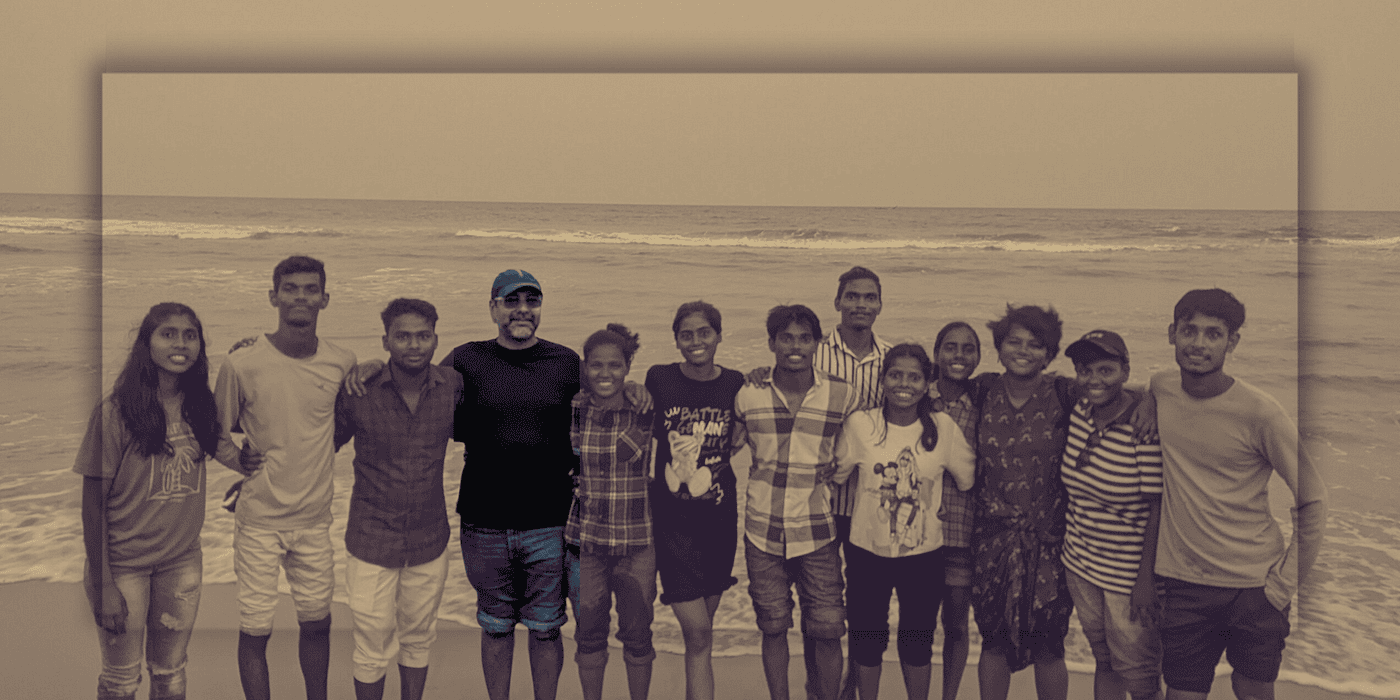
Being a feminist coach means being many things: mentor, counselor, friend, and guide. Over time, Coach Akshai’s role in his athletes’ lives has grown in scope and depth.
From being their relationship counselor to being their friend with a patient ear, their manager that helps manage their time and all their tasks, and their coach that they respect and trust, Akshai has become many things. He even fields calls from worried parents and family members. He holds these conversations with care and concern and helps the young athletes navigate these complex relationships with honesty and patience.
One athlete shared: “I haven’t really discussed my personal problems at length with anyone other than Akshai sir. When I had to take my mother to the hospital, I panicked. I called him, and he guided me through what to ask the doctor and how to read the prescription. I trust him with everything.”
Conclusion: The Feminist Coach as Culture Builder
Feminist coaching isn’t just about equitable play; it is about culture-building. It is about embedding values into routines, interactions, and team dynamics. In a country where Ultimate Frisbee isn’t even a recognized sport, creating a gender-sensitive team culture becomes an act of resistance and hope.
At Project KHEL, we have learned that the impact of a coach extends far beyond the field. Through everyday practices, creative constraints, and patient conversations, Coach Akshai has shown us what feminist leadership in sports can look like: strong, strategic, and deeply human.