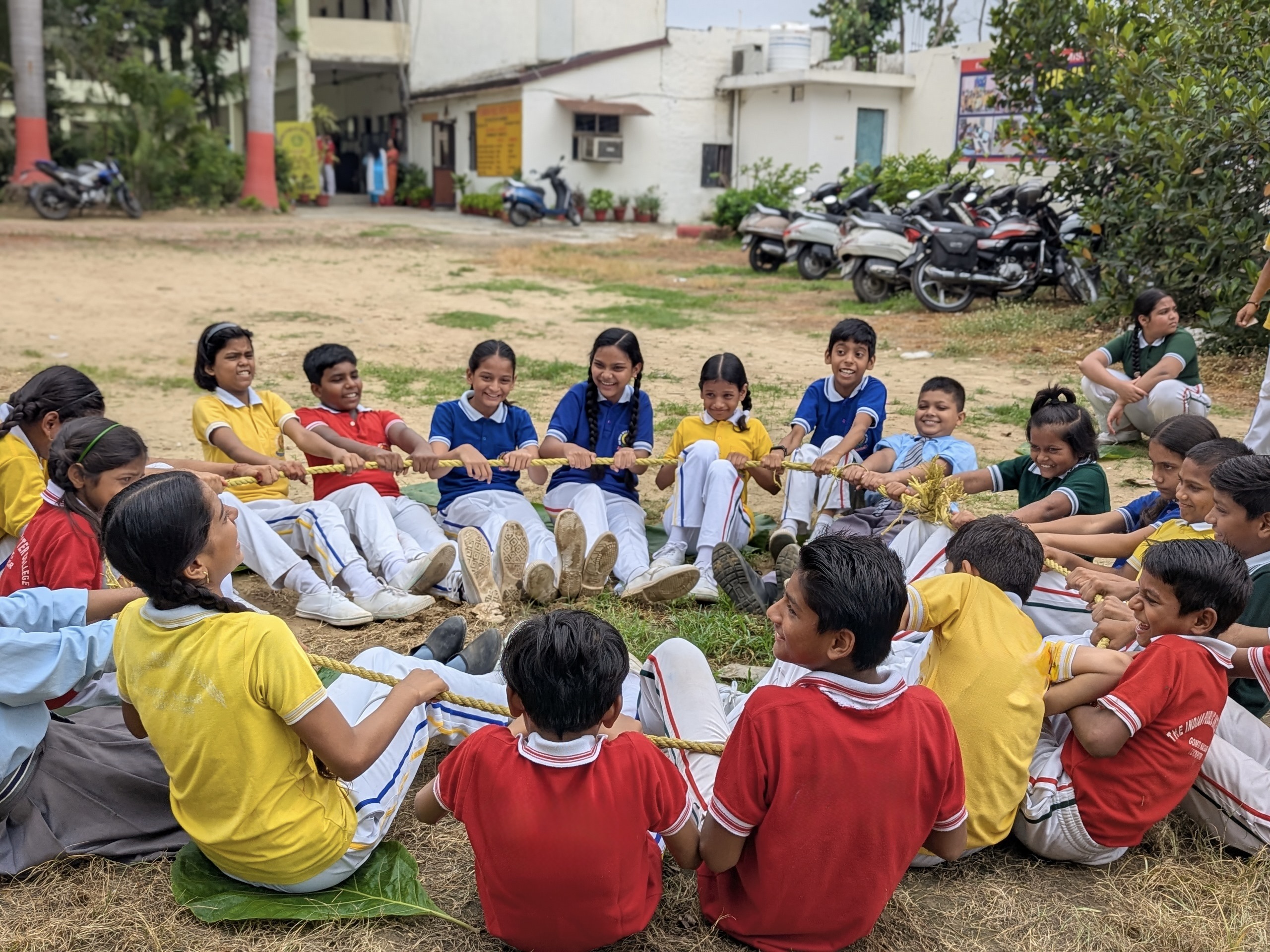
Made in Maidaan (MiM) is Project KHEL’s flagship three-year programme, using sport, games and reflection to help children build social and emotional skills while learning to share space more equally.
What do we do?
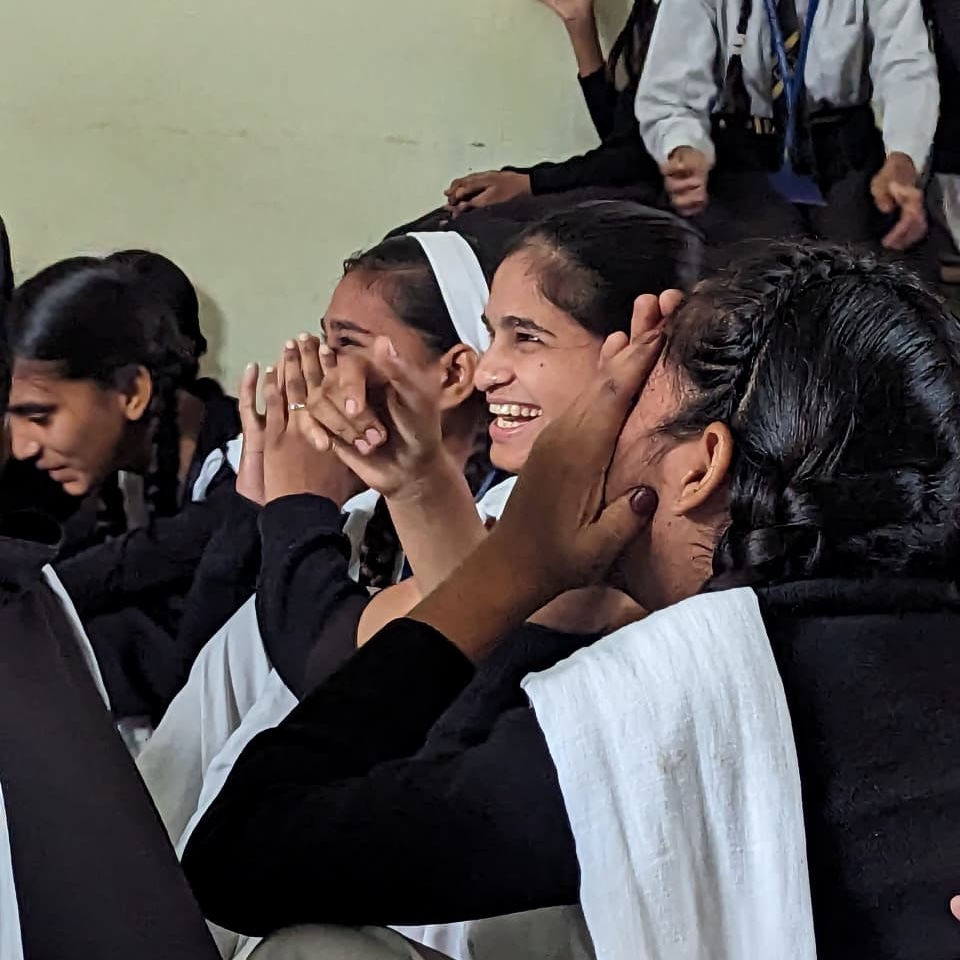
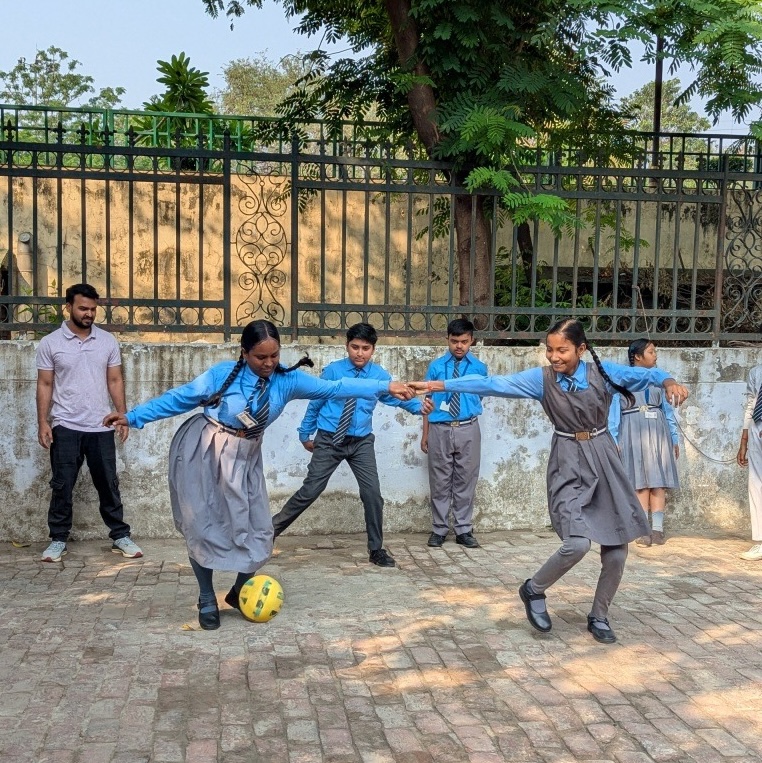
Over the years, we have run MiM programmes in slums, shelter homes, and low-income schools. Each cohort of 20-40 children attends bi-weekly sessions throughout the school year. A typical hour-long session includes 2 activities – one which is more of a game or a sport and another which is a group or team activity from our customised Life Skills Education curriculum, each followed by a 5 minute reflective debriefing.
Social and emotional learning— through play
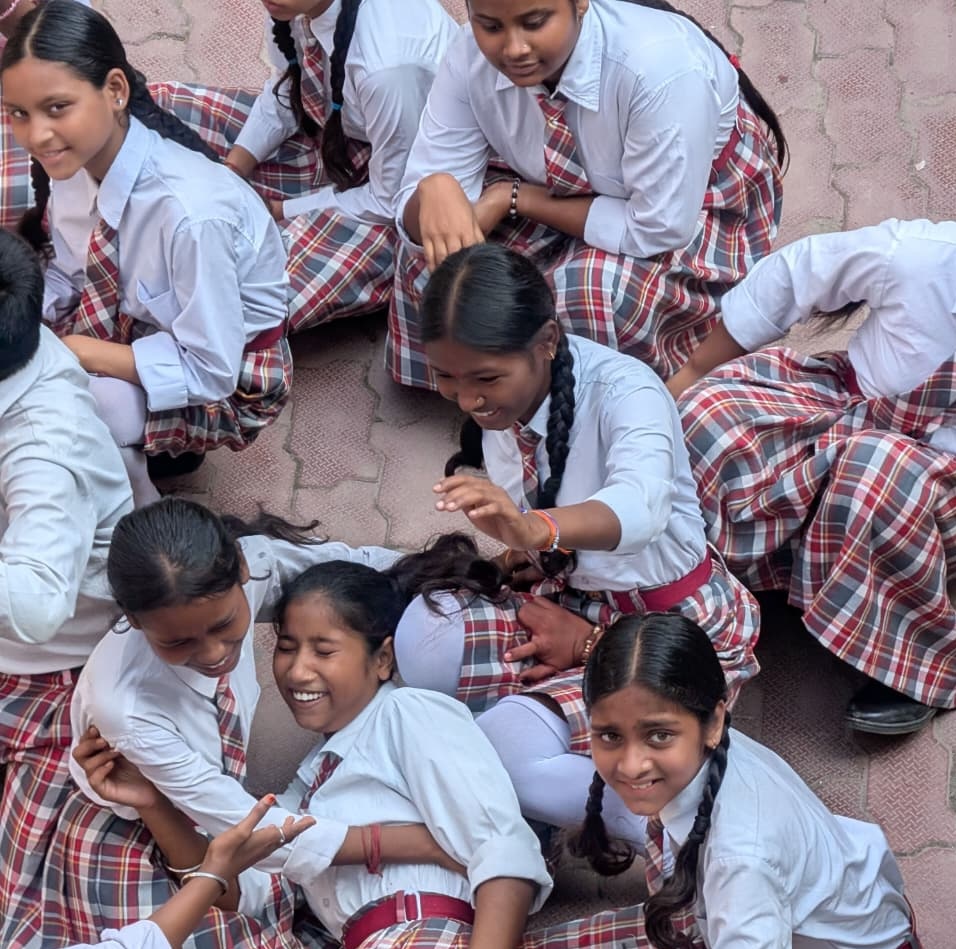
We use games and team tasks to teach social and emotional skills in an experiential way. We know life skills aren’t just facts children can memorise, but skills they need the opportunity to practice. A game or new challenge gives opportunity to resolve a disagreement, work with team-mates, develop strategies or plans, listen to others and adapt to a new situation.
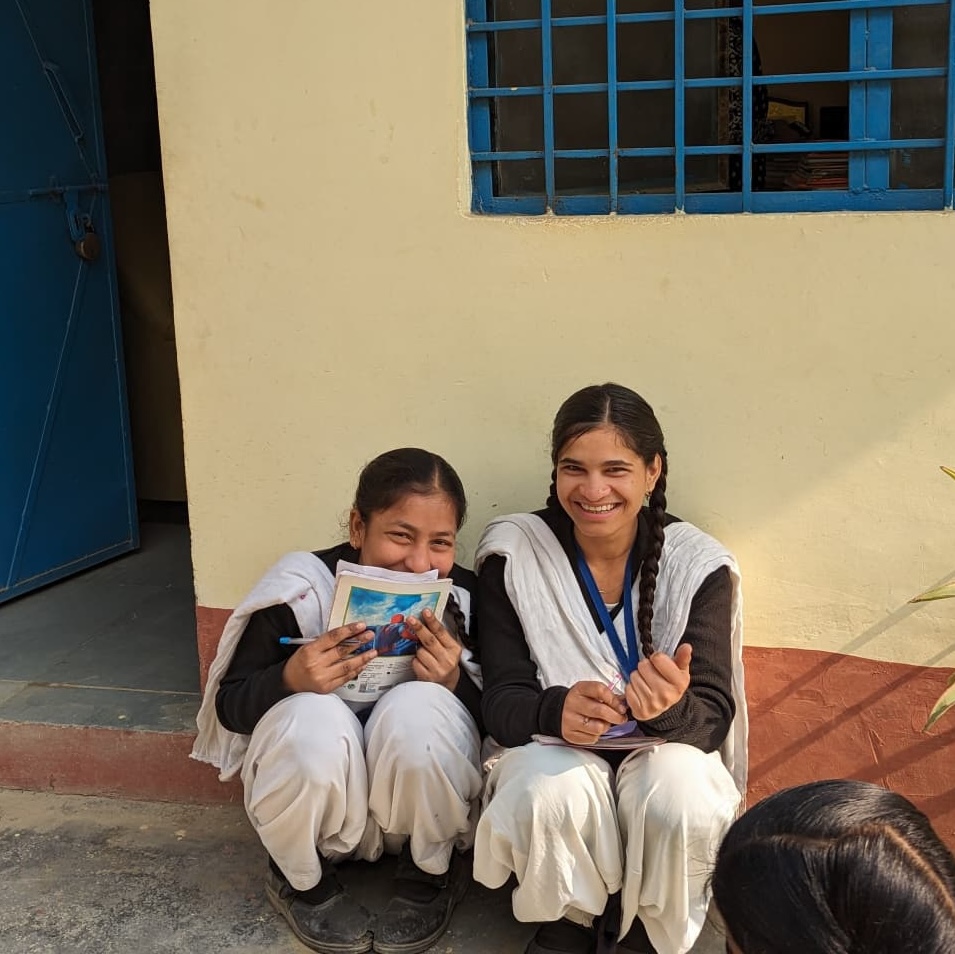
Following each game, facilitators lead a structured reflection that helps children connect what happened on the field to their own lives, with clear real-life ways this skill is relevant. Through this cycle of experience → reflection → practice, children build skills such as self–awareness, empathy, communication, relationship–building, problem–solving and responsible decision–making.
WHAT DO WE TALK ABOUT?
- GENDER ROLES
- LEADERSHIP
- COMMUNICATION
- BULLYING
- EMPATHY
- CONFIDENCE
- SHARING
- TEAM WORK
TYPES OF GAMES WE PLAY

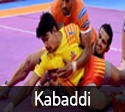
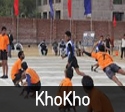

MADE IN MAIDAAN CURRICULUM
A three year journey
MiM is a dynamic three-year curriculum that evolves with children as they grow. As the curriculum goes on, children move through stages that help them accept difference, build a sense of self and develop a deeper understanding of gender.
STEP 1
Learning to live with difference
In the first half, we build children’s sense of pluralism. We teach them to see and acknowledge differences in people, perspectives and experiences. Our focus is to help our children get comfortable with difference and feel confident working alongside it.
We help children move from seeing difference, to acknowledging it, to actively engaging with it. Through games and group experiences, we teach listening, collaboration, negotiation and how to handle disagreement.
STEP 2
Building a stronger sense of self
The second half turns inward. We support children as they move from navigating the world of difference around them to understanding themselves within it. Our children develop an understanding of what they think, value, want and are capable of.
We teach them to express thoughts, make choices, say what matters and tackle problems with more confidence. They practice prioritising, articulating, deciding and solving problems.
STEP 3
Gender is a lens, not a lesson
We weave gender through the whole programme, not as a separate module. Girls and boys play together as equals, learning to share the field, take responsibility and lead.
When children need emotional safety or comfort, we create same-gender spaces. These boundaries are allowed, not rigid segregation. Children learn to recognise their own boundaries, respect others’, and know that within them everyone can participate, contribute and belong.
We want children to recognise gender without being limited by it, so it never determines who leads, who is vulnerable, who takes space or what anyone can do.